What I Learned from Overusing Coconut Oil on Hair And What I Do Differently
Coconut oil and I had a love story, at least at first. Like most people starting in the DIY beauty world, I heard about its magic: it’s natural, nourishing, great for dry hair, and packed with fatty acids.
So I stocked up, warmed some between my palms, and slathered it from roots to ends like it was liquid gold. But here’s the thing nobody warned me about: you can have too much of a good thing, even coconut oil.
For a while, I couldn’t figure out what was going wrong. I was oiling regularly, sometimes overnight, but my hair didn’t feel softer. It started to feel stiff, coated, and weirdly dry at the same time.
If you’ve been heavy-handed with coconut oil and wondering why your hair isn’t loving it back, I hope this article helps. I’ll share what went wrong in my routine, the signs to look out for, and the gentler alternatives I use now to keep my hair happy, soft, and thriving.
Why Coconut Oil Isn’t Always the Hero
Coconut oil is rich in lauric acid, which penetrates the hair shaft and reduces protein loss. That sounds amazing, and it is for some people. But not all hair types respond the same way.
If your hair is low-porosity like mine, coconut oil can sit on the surface instead of absorbing. Over time, this creates buildup, blocks moisture, and makes strands feel hard or crunchy. I didn’t know this back then, so I kept reapplying, thinking my hair just needed more.
The truth? It needed a break.
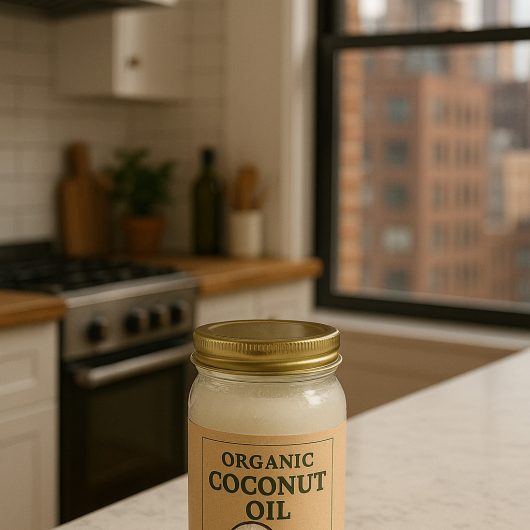
The Signs I Was Overusing Coconut Oil
The first red flag was how my hair felt. Instead of soft and bouncy, it became stiff, like it had a waxy coating. I couldn’t get deep conditioners to sink in, and styling was a nightmare.
I also noticed more tangles, especially at the ends. My curls lost definition, and my roots looked dull even after a fresh rinse.
Eventually, I realized I was dealing with oil buildup. My hair was suffocated.
Moisture First, Then Oil is My New Rule
One of the biggest lessons I’ve learned on my DIY journey is this: oil is meant to seal in moisture, not create it. For the longest time, I used to apply coconut oil straight to my dry hair in the hope that it would hydrate everything. But instead, it just sat on top.
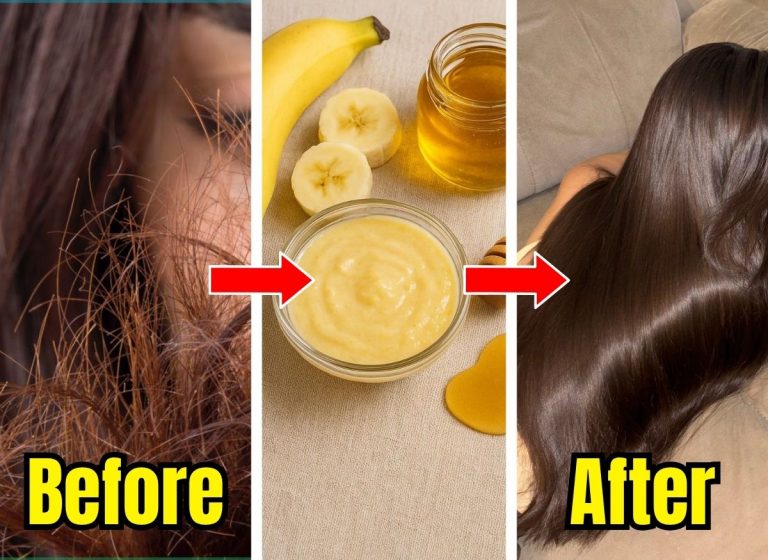
Now, I always make sure my hair is properly hydrated before I apply any oil. I start by lightly misting it with water or aloe vera juice to make it slightly damp. Then I smooth on a nourishing, homemade leave-in, like a banana-yogurt blend or a simple herbal infusion.
To finish, I apply a few drops of oil only to the ends. This simple layering method helps lock in hydration without creating buildup. And yes, I still use coconut oil from time to time but I always mix it with other ingredients or use it sparingly.
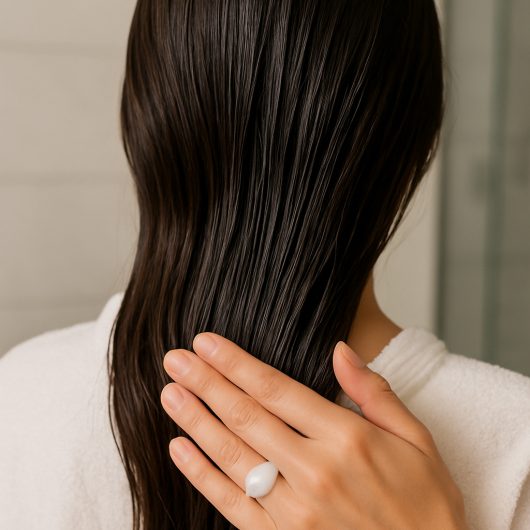
How I Still Use Coconut Oil Just Smarter
I didn’t completely give up on coconut oil, I just had to rethink how and when I used it. Instead of making it part of my daily routine, I started treating it like a special treatment, something to use with intention and balance.
Now, I mainly reach for coconut oil as a pre-wash treatment, but only on damp hair. I’ll apply it about 30 minutes before washing to give my strands a little extra protection during shampooing.
I’ve also started blending it into scalp massage oils, usually with castor or rosemary oil to encourage growth and boost circulation without overwhelming my roots.
Occasionally, I’ll use coconut oil in a deeper treatment, but I always mix it with something hydrating to help balance out the protein and prevent my hair from feeling stiff.
This shift in how I use it has made a big difference. By keeping coconut oil as an occasional helper instead of an everyday staple, I still enjoy its benefits without the buildup or heaviness.
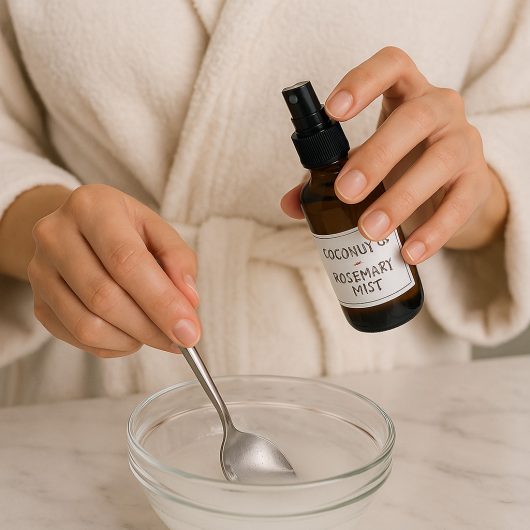
Balance Is Everything
Coconut oil is still one of the most popular DIY ingredients for a reason—it can be amazing when used the right way. But as I learned, more isn’t always better.
Overusing coconut oil doesn’t mean you’re doing something wrong; it just means your hair needs something a little different.
Since adjusting my routine, my hair has become softer, bouncier, and more responsive to moisture. It’s about tuning in to what your unique hair type is asking for.
Take a deep breath, hit reset gently, and know that your hair is always ready to bounce back. With a little love, and maybe a little less coconut oil

Author: Leonardo Petano
Biographical Info Leonardo Petano: TODO share