Why Is Hair Still Dry After Oiling? 6 Reasons and Natural Fixes That Work
I used to think oiling my hair was the ultimate act of love. And in many ways, it is.
There’s something comforting about warming up a little oil between your palms and smoothing it through your strands. It feels nurturing, old-world, timeless. But for a while, I was oiling regularly and my hair was still dry.
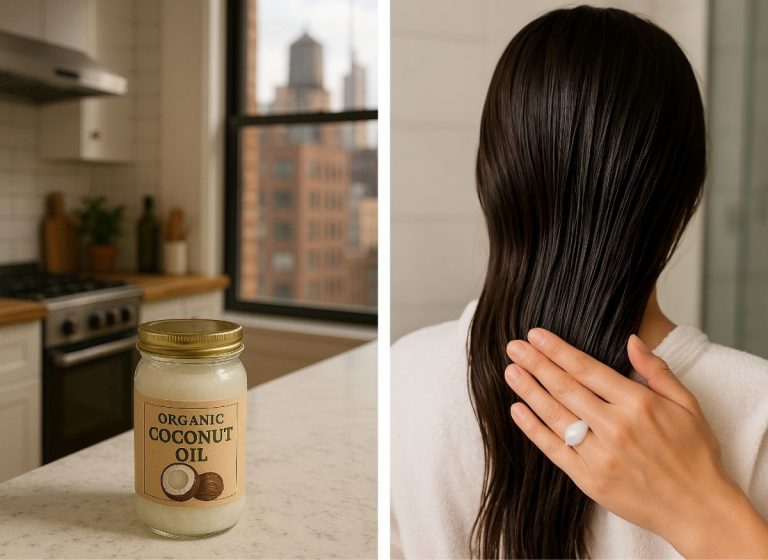
It was frustrating. I’d coat my hair in coconut oil overnight, rinse it out the next morning, and somehow my ends still felt rough. My curls were frizzy. My strands lacked shine. I kept wondering, Am I doing something wrong?
Spoiler: I was. And once I figured it out, everything changed. If you’ve been oiling your hair faithfully but not seeing results, I want to walk you through the common reasons why your hair might still feel dry and what to do about it.
Let’s Talk About What Oils Can and Can’t Do
Oiling is beautiful. But it’s not magic.
Hair oils are occlusives, which means they seal in moisture; they don’t create it. So if you apply oil to already dry, brittle hair, you’re just trapping dryness inside.
Once I learned that simple truth, it all clicked. I needed to add moisture first, then use oil to lock it in. That small change made the biggest difference in how soft and hydrated my hair felt.
Reason #1: You’re Applying Oil to Bone-Dry Hair
I used to apply oil straight to dry, unwashed hair, thinking I was feeding it with nutrients. But oil doesn’t absorb well on dry strands; it just sits there.
What worked better was applying oil to damp or freshly misted hair. That little bit of water helps swell the hair shaft and gives the oil something to seal in.
On wash day, I started patting my hair dry with a cotton T-shirt, then applying oil while it was still slightly damp. The results? Noticeably softer curls and much less frizz.
Reason #2: You’re Not Washing the Oil Out Properly
I hate to admit this, but I once went a full week with coconut oil still lingering in my hair. I thought a single shampoo was enough, but it was still there, building up, suffocating my strands.
Oils can be heavy, especially thicker ones like castor or coconut oil. If not washed out completely, they block moisture from getting in. That means even if you deep condition afterward, your hair can’t absorb it.
These days, I use a gentle, sulfate-free cleanser or a DIY clay rinse to lift oil residue without stripping my scalp. Sometimes I do two quick shampoos, especially after overnight oiling.
Reason #3: You’re Using the Wrong Oil for Your Hair Type
Not all oils work for all hair types. For a long time, I was using coconut oil because it’s what everyone recommended. But it turns out, my low-porosity hair doesn’t love it. It sat on the surface and made my hair feel even drier.
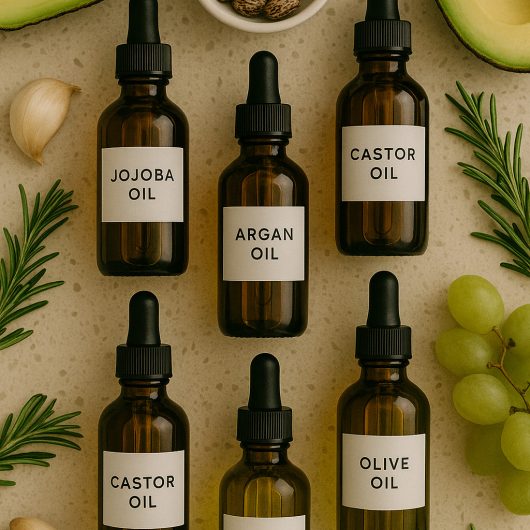
If your hair is fine, low-porosity, or easily weighed down, try lighter oils like:
- Argan oil (adds shine without heaviness)
- Jojoba oil (similar to the scalp’s natural sebum)
- Grapeseed oil (great for sealing moisture without buildup)
For thicker or high-porosity hair, you might benefit from:
- Castor oil (rich and restorative)
- Olive oil (deep conditioning)
- Avocado oil (packed with nutrients)
The key is to experiment and see what your hair responds to. One oil doesn’t fit all.
Reason #4: You’re Skipping Moisture Before the Oil
This turned out to be my biggest mistake. I assumed oiling alone was enough to treat dryness, but what my hair needed was moisture first, then oil to seal it in.
It’s a lot like skincare; no one would apply face oil without using a hydrating serum or mist first. Oil is meant to lock in the good stuff, not replace it.
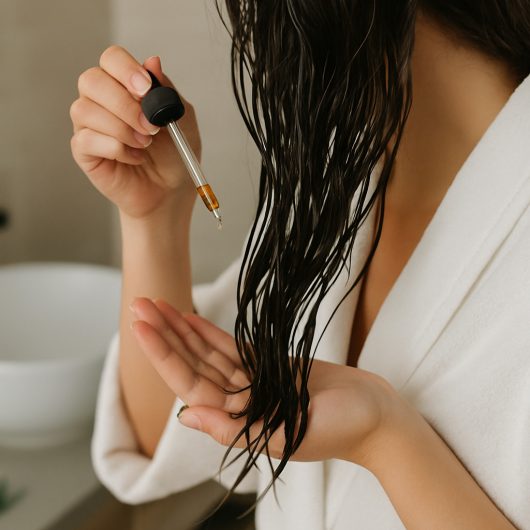
These days, I always make sure my hair is hydrated before I reach for the oil. I start by spritzing my strands with a little water or a homemade aloe vera mist, just enough to make them feel refreshed and slightly damp.
Only after that do I apply a few drops of oil, concentrating on the ends where my hair is driest. That simple shift completely changed the way my hair responds.
Now, instead of sitting on top and making my strands feel greasy, the oil works. It locks everything in and keeps my hair soft, shiny, and nourished for days.
Reason #5: Product Buildup Is Blocking Absorption
Even if you use natural products, buildup happens. Over time, oils, butters, and even hard water can create a film on your hair that keeps moisture from getting in, and that’s when dryness creeps back in.
Every few weeks, I use a DIY clarifying rinse to hit reset:
Ingredients:
- 1 tablespoon baking soda
- 1 cup warm water
- Juice of ½ lemon
Steps:
- Mix until dissolved
- Pour over wet hair in the shower
- Gently massage your scalp and let it sit for 2 minutes
- Rinse thoroughly and follow with a conditioning mask
I only do this once or twice a month, but it makes a huge difference in how well my oils and treatments absorb afterward.
Reason #6: You’re Expecting Instant Results
This might sound obvious, but I had to learn patience. Oiling is a long game. If your hair has been dry, heat-damaged, or chemically treated, it will take time to bounce back. One oil session isn’t going to undo years of stress.
But with consistency, care, and the right combo of moisture and oil, your hair will respond. Mine did and now I enjoy oiling as a weekly ritual, not just a quick fix.
Oiling Is About Balance
I used to think more oil meant more hydration, but now I know it’s about finding the right balance of moisture and protection. Once I started doing it right, my hair completely changed.
If you’ve been oiling and your hair still feels dry, don’t give up. Tweak your approach, experiment gently, and give your hair what it needs. A little love, a little water, and the right oil at the right time can work wonders

Author: Leonardo Petano
Biographical Info Leonardo Petano: TODO share